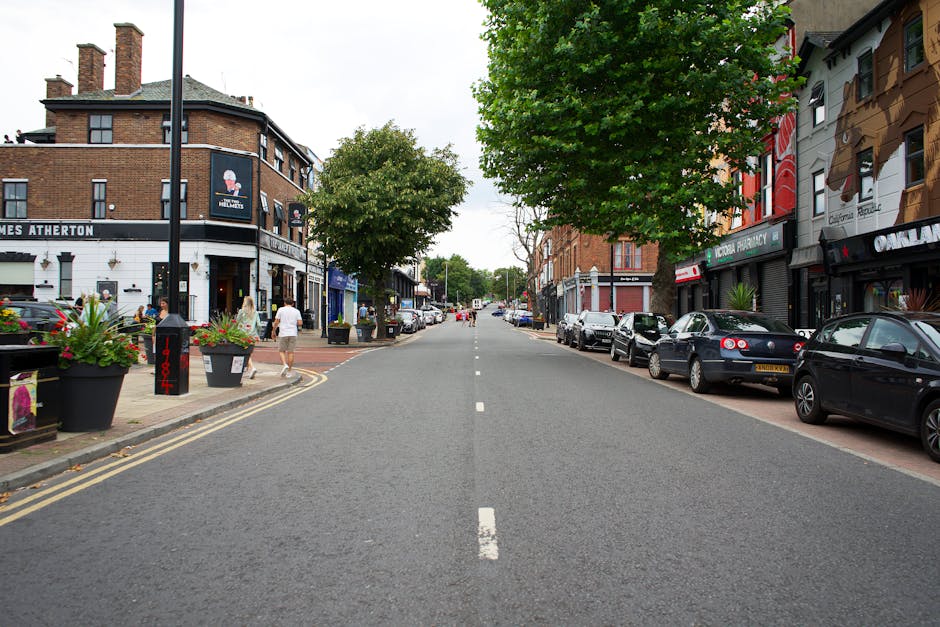
BR4 flat removals on West Wickham High Street made easy
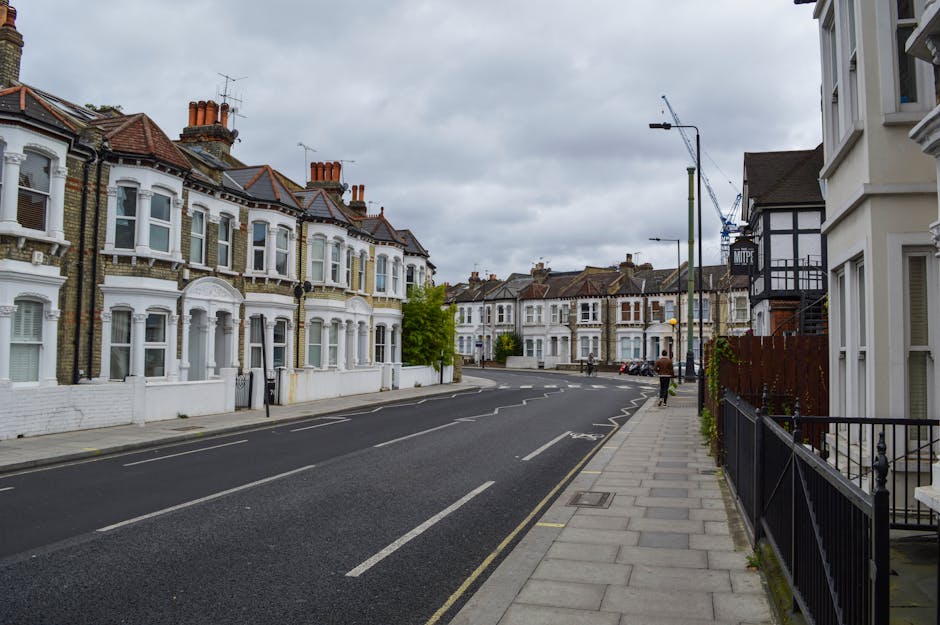
If you are planning BR4 flat removals on West Wickham High Street made easy, you are probably juggling the usual mix of stairs, traffic, parking, lift access, and a long list of things that seem to multiply the night before moving day. Flats on or near a busy high street can be perfectly manageable, but they do need a more thoughtful approach than a straightforward house move. The good news? With the right preparation, the right vehicle, and a clear plan, the whole process can feel much less chaotic than people expect.
This guide breaks down how flat removals in West Wickham work in real life, what makes High Street moves a bit trickier, and how to keep things organised without turning the day into a marathon. You will also find practical advice on packing, timing, access, compliance, and the little details that save a lot of time. Honestly, that is often where the stress disappears.
Why BR4 flat removals on West Wickham High Street made easy Matters
Flat removals are not just a matter of loading boxes and driving off. In a place like West Wickham High Street, the setting itself shapes the move. You may have limited waiting space outside, narrow access, shared entrances, restricted parking, or neighbours who quite understandably do not want the hallway blocked for half a day. A move that looks simple on paper can become awkward quickly if these details are ignored.
That is why making BR4 flat removals on West Wickham High Street made easy matters so much. It is not about making the move look effortless. It is about reducing friction. A well-planned flat move protects your time, your belongings, and, just as importantly, your patience. You want the sofas out, the boxes in, and the day done without that sinking feeling that something important has been missed.
For many people, the challenge is not the volume of items. It is the logistics. Can a van stop close enough? Is there a lift, and if so, is it large enough for furniture? Are there stairs with awkward corners? Are you moving in or out during school-run traffic? These are the questions that make a big difference, and they deserve proper attention.
There is also a trust side to it. A move involving shared access, communal spaces, and valuable household items needs care. That is where a professional approach helps, especially when you want a service like man and van support that is built around flexibility rather than rigid assumptions.
How BR4 flat removals on West Wickham High Street made easy Works
The process is usually much smoother when it follows a sensible sequence. Flat removals are easiest when the planning starts before moving day, not after the first box has already landed by the front door. A good move in this part of West Wickham normally works like this:
- Assess access - Check stairs, lift size, entrance width, parking, and where the van can safely stop.
- Estimate the load - Look at furniture size, number of boxes, fragile items, and anything unusually heavy.
- Match the vehicle to the job - A smaller load may suit a man with a van, while fuller flat moves may need a larger removal van.
- Pack in the right order - Essentials first, fragile items separately, and furniture prepared for quick lifting.
- Plan the route and timing - Especially important if you are moving on a busy high street where traffic can shift quickly around the day.
- Load carefully - Heavy items secured first, delicate items protected, and all space used efficiently.
- Unload with purpose - Put furniture into the right room, not just inside the door, because doing the same box twice is nobody's idea of fun.
In practice, the smoother moves are usually the ones that feel a little boring from the outside. There is a calm order to them. Boxes are labelled clearly. Furniture is dismantled beforehand if needed. Parking is sorted. The route into the property is known. Nothing dramatic, just good housekeeping. And yes, that really does save time.
If you are comparing service styles, you may also find it useful to look at broader removal services and decide whether you need full support or a simpler man-with-van arrangement. Not every flat move needs the same level of help, which is actually a relief.
Key Benefits and Practical Advantages
There are a few reasons why a well-run flat removal in this area is worth doing properly rather than improvising on the day.
- Less disruption - Good planning means less time in hallways, stairwells, and shared entrances.
- Safer lifting - Furniture, white goods, and awkward items are easier to handle with the right equipment and technique.
- Better time control - A realistic plan keeps the move on track, which matters when access is limited.
- Reduced damage risk - Protective wrapping, careful loading, and proper stacking make a noticeable difference.
- Less stress for you - That may sound obvious, but it is the reason most people hire help in the first place.
- More predictable costs - When the job is sized correctly, quotes are usually clearer and fewer surprises appear later.
There is also a less obvious benefit: confidence. Once you know the move has been thought through, it stops feeling like a pile of unknowns. You can breathe a bit. The day feels manageable. In our experience, that matters just as much as the physical lifting.
Expert summary: The easiest flat removals are rarely the fastest to start. They are the ones that are planned carefully, packed sensibly, and matched to the right vehicle and access conditions.
For people moving from compact flats or one-bedroom properties, a local removals near me search often leads to a practical, cost-conscious choice. That is especially true if you only need transport and lifting help, not a full household relocation team.
Who This Is For and When It Makes Sense
This approach is ideal for anyone moving from or to a flat, maisonette, studio, or apartment on West Wickham High Street or the surrounding BR4 area. It is especially useful if your move involves:
- stairs with no lift
- tight turns or narrow landings
- parking that needs careful timing
- just a few large items rather than a whole house
- shared entrances where noise and disruption should be kept low
- move-in or move-out deadlines that leave little room for delays
It also makes sense if you are trying to avoid overpaying for a service that is larger than you need. A lot of people assume they must book a big removal team for any move, but that is not always the best fit. Sometimes a van-based solution is more efficient, particularly for smaller flats or partial moves. If you are not sure, it can help to compare options such as man and van removals and more traditional house-moving support.
Truth be told, flat moves are also common for people who are changing rental properties, moving in with a partner, downsizing, or leaving a short-term let. The move itself may be simple. It is the timing, access, and coordination that need attention. Why make it harder than it needs to be?
Step-by-Step Guidance
If you want a clear, practical route from packing to delivery, this step-by-step outline keeps the process grounded.
1. Walk through the property before packing
Check what is going, what is being sold or donated, and what needs dismantling. Measure larger furniture if you are unsure whether it will fit through the stairwell or lift. A quick tape measure can prevent a very awkward surprise later.
2. Sort by priority
Separate essentials, fragile items, and furniture. Essentials should be easy to access on arrival. That means kettle, toiletries, bedding, chargers, documents, and any medication should be kept together. You really do not want to search for a toothbrush after a tiring day.
3. Protect fragile or awkward items
Wrap glass, mirrors, lamps, and electronics properly. Use sturdy boxes and fill gaps so things do not rattle around. If something feels too delicate for normal packing, treat it that way. It probably is.
4. Confirm access details
Make sure the pickup and delivery addresses are clear. If there is a lift, note the size. If there is no lift, count the stairs honestly. It is better to be precise than optimistic.
5. Prepare parking and timing
On a high street, timing can matter as much as distance. Early slots can be easier. Mid-morning can be busy. Afternoon school traffic can be a nuisance. Build in a little breathing room so the day does not feel rushed.
6. Load in a sensible order
Heavy items such as wardrobes, mattresses, drawers, and appliances should normally go in first, with lighter boxes and soft items filling the gaps. The goal is to keep the load stable, not just full.
7. Check the final sweep
Before the van leaves, check cupboards, behind doors, under beds, and inside storage spaces. You would be amazed how often a charging cable or passport gets left behind. It happens to the best of us.
If your move is more involved and includes assembling furniture, moving between floors, or packing support, you may want to consider packing and unpacking services to reduce the workload on both sides of the move.
Expert Tips for Better Results
A few small decisions make a big difference on moving day. These are the practical habits that usually separate a decent move from a calm one.
- Label boxes by room and priority - Not just "bedroom" or "kitchen", but "kitchen - daily use" or "bedroom - bedding first".
- Dismantle furniture where sensible - A bed frame or table that comes apart safely can save a lot of time in tight stairwells.
- Keep screws and fittings in sealed bags - Tape them to the item or keep them in a clearly marked envelope.
- Use soft items as padding - Towels, duvets, and blankets can protect surfaces during transit.
- Leave a clear path - Even a narrow hallway can become a bottleneck if shoes, bins, and bags are scattered about.
- Be realistic about the amount of help needed - Moving a sofa down three flights of stairs is not the time to underestimate the job.
One small but useful tip: pack a "first hour" bag. It should contain the things you will need immediately after arrival. Tea bags, phone charger, a snack, toilet roll, keys, and maybe a fresh shirt. The glamorous side of moving, obviously.
And if you want peace of mind around handling and transit, it is worth reviewing the company's insurance and safety information before confirming anything. That is just sensible due diligence.
Common Mistakes to Avoid
Even a small flat move can go sideways if a few common errors creep in.
- Underestimating access problems - The lift is not always usable, and staircases can be tighter than they look.
- Packing too late - A last-minute packing scramble tends to produce broken items and missing essentials.
- Choosing the wrong vehicle size - Too small and you need extra trips; too big and you may be paying for more than you need.
- Ignoring parking restrictions - This is a big one on busy streets. It can create delays fast.
- Not measuring furniture - Sofas and wardrobes are often the items that cause the most trouble.
- Overfilling boxes - A box that is too heavy is a back injury waiting to happen. Not worth it.
A quieter mistake is forgetting to tell the mover about access quirks. For example, if the only entrance is through a rear alley or shared courtyard, say so early. It sounds minor. It never is. The same goes for timed access, concierge requirements, or entry codes.
If you are moving out of a furnished place and need to clear a few bulky pieces as part of the process, furniture pick up may also be a useful related option, depending on what you need to remove.
Tools, Resources and Recommendations
You do not need specialist kit for every move, but a few practical tools make life easier.
- sturdy packing tape
- marker pens for labelling
- small and medium boxes
- wardrobe boxes if you have hanging clothes
- bubble wrap or paper for fragile items
- blankets or furniture covers
- a basic toolkit for dismantling beds, shelves, and tables
- gloves for grip and hand protection
- a trolley or sack truck if heavier items need support
For bigger jobs, a properly equipped moving van can be the difference between multiple trips and one clean load. You should not have to play Tetris with your whole life, though admittedly moving day sometimes feels that way.
It can also help to work with a provider that is transparent about pricing and expectations. Clear communication around timings, access, and any extra labour helps avoid misunderstandings later. If you want to understand how quotes are typically structured, the page on pricing and quotes is a sensible place to start.
Law, Compliance, Standards, or Best Practice
Flat removals are usually straightforward from a compliance perspective, but there are still a few best-practice areas worth respecting. In the UK, moving work should be carried out with attention to safety, property access, road use, and proper handling of goods. That means being careful around shared walkways, avoiding obstruction, and loading vehicles securely.
For residents and movers alike, it is also sensible to pay attention to building rules, lease conditions, and any local parking constraints. Some flats have management requirements for move times or lift use, and ignoring those can create avoidable friction. Nobody wants a tense first conversation with a neighbour before the kettle is even unpacked.
From a service point of view, a trustworthy mover should be clear about their terms, handling expectations, and what happens if plans change. That is why documents like terms and conditions and a visible health and safety policy are more than paperwork. They show there is a method behind the move.
Good practice also includes respectful treatment of communal spaces. Hallways should be kept clear where possible, items should be carried carefully, and any damage risk should be reduced before lifting begins. Simple, but important.
Options, Methods, or Comparison Table
Different flat moves need different approaches. Here is a simple comparison to help you think it through.
| Option | Best for | Strengths | Things to watch |
|---|---|---|---|
| Man and van | Small to medium flat moves, partial loads, short local moves | Flexible, efficient, usually cost-effective | May not suit very large or complex moves |
| Removal van with extra support | Flats with bulkier furniture or more boxes | More capacity, better for awkward items | Needs accurate planning to avoid wasted space |
| Full removal company approach | Larger flat moves or tight deadlines | More hands, more structured process | Can be more than you need for a small flat |
There is no universal winner here. The best choice depends on how much you are moving, how tricky the access is, and how much help you want on the day. For some people, a removal company style service feels right. For others, a leaner approach is more sensible and easier on the wallet.
If you are moving a larger household or combining the flat move with other property items, you may also want to review removals more broadly so you can match the service to the task rather than the other way around.
Case Study or Real-World Example
Here is a realistic example. A tenant moving from a second-floor flat near West Wickham High Street had a sofa, a bed frame, two shelving units, a washer, and around twenty boxes. Nothing outrageous, but enough to cause trouble if handled casually. The staircase was narrow, the parking outside was limited, and the lift was too small for the larger furniture.
Instead of trying to do everything in one chaotic stretch, the move was split into sensible stages. Fragile items were packed the day before. The bed was dismantled in advance. The washer was checked for water connections and made ready early. The van arrived at a quieter time of day, so loading was faster and less disruptive to neighbours.
The interesting part? The move did not feel dramatic. There was no rushing back and forth, no "where did we put the screws?" panic, and no awkward blocking of the entrance for ages. Just a steady flow of work, a few sensible decisions, and a calmer finish than the person had expected. That is often how the best flat moves go. Not flashy. Just smooth.
Practical Checklist
Use this as a final pre-move check.
- Confirm pickup and delivery addresses clearly
- Measure large furniture and note any awkward items
- Check stairs, lift access, and hallway width
- Arrange parking or stopping space where possible
- Label all boxes by room and priority
- Pack fragile items with extra protection
- Separate essentials for the first 24 hours
- Dismantle furniture that can be safely taken apart
- Keep screws, bolts, and fittings together
- Review safety, insurance, and terms before moving day
- Do a final sweep of cupboards, drawers, and storage spaces
- Keep keys, phone, and documents easy to reach
If your move feels too big to manage alone, start with a quote and then work backwards from there. The best moves usually begin with a calm plan, not a frantic pile of boxes in the hallway.
Get a free quote today and see how much you can save.
Conclusion
BR4 flat removals on West Wickham High Street made easy is really about removing uncertainty. Once access is checked, the load is sized properly, and the right service is chosen, the move becomes much easier to handle. You do not need a perfect day. You just need a sensible one.
Whether you are moving a studio, a one-bedroom flat, or a larger apartment with a few bulky pieces, the same principle applies: plan early, protect your belongings, keep the route clear, and choose support that fits the job. That simple approach goes a long way.
And if there is one final thought to hold onto, it is this: a good move should leave you tired, maybe, but not frazzled. There is a difference. A proper difference.
Frequently Asked Questions
What makes flat removals on West Wickham High Street more difficult than a normal house move?
Flats often involve stairs, lifts, shared entrances, and parking constraints, all of which can slow things down if they are not planned for. On a busy high street, stopping space and timing matter even more.
Is a man and van service suitable for BR4 flat removals?
Yes, often it is. A man and van setup works well for smaller flat moves, partial loads, and local journeys, especially when you do not need a full-scale removal team.
How far in advance should I book a flat removal?
The earlier the better, especially if you are moving at a busy time of week or month. Even a small move benefits from advance planning so access, timing, and vehicle size can be matched properly.
Do I need to dismantle furniture before the move?
Not always, but it usually helps with larger pieces such as bed frames, tables, and some wardrobes. If dismantling makes the item safer or easier to carry, it is usually worth doing.
What should I pack separately for the first day in the new flat?
Keep essentials together: toiletries, chargers, kettle items, tea or coffee, a change of clothes, bedding, medication, and important documents. That box saves a lot of stress later.
How do I know what size van I need?
Think about furniture volume, box count, and access. A few items may fit into a smaller van, while a fully furnished flat may need something larger. If you are unsure, list everything and compare it with the service options available.
Can flat removals be done without causing too much disruption to neighbours?
Yes, provided the move is organised properly. Keeping hallways clear, loading efficiently, and choosing sensible times of day all help reduce disruption in shared buildings.
What if my flat has no lift?
That is common, and it is not a deal-breaker. The key is to be honest about the stairs in advance so the mover can plan the right level of help and avoid delays on the day.
Are removal services worth it for a small flat?
If you have heavy furniture, awkward access, or a tight deadline, yes, they often are. Even a small flat can be surprisingly demanding when you are doing it all yourself.
What documents or information should I have ready before moving day?
Have your addresses, access notes, contact details, parking information, and any building rules ready. It also helps to keep your booking details and key instructions in one place.
Should I check insurance before booking a mover?
Yes. It is sensible to understand what cover is in place for handling and transit before you commit. Clear information around insurance and safety gives you more confidence and fewer surprises.
What is the best way to start if I feel overwhelmed by the move?
Start with the basics: make a list of what is moving, check access, and sort the items you use every day. Once that is done, the rest usually feels more manageable. One step at a time is enough.