Man With Van West Wickham for local home and business moves

Our man with van West Wickham service is set up for practical moving work that needs care, planning and a vehicle sized for efficient loading. We help with home moves, furniture transport and smaller commercial relocations, using a straightforward service built around safe handling and sensible organisation. If you need items moved across town, between addresses or to storage, we provide a clear and adaptable option without overcomplicating the process.
The work is suitable for people who want help with single items, partial loads or a fuller move that does not require a large removal lorry. We can assist with couches, beds, wardrobes, boxes, appliances and other household contents, as well as office furniture and stock. For a clearer idea of what suits your job, see our man and van service details alongside the main moving pages.
Every move is different, so our approach is based on what actually needs to be transported, how it is packed and where it needs to go. We keep the service focused on the load itself, with careful lifting, sensible route planning and attention to access at each end. When you are ready, request a quotation and send the basic move details in a way that suits you.
Household moving support
House moves often need a flexible schedule and the right amount of space, rather than a one-size-fits-all arrangement. We handle the transport side of domestic moving, from a few bulky pieces to a more complete property move. The aim is to keep your belongings together, reduce handling and make sure the vehicle setup matches the amount of furniture and boxes that need to go.
For customers comparing domestic services, our home moves page and the broader house removals information explain how different household loads can be managed. Some moves only need a careful lift-and-load service, while others benefit from a more structured plan for rooms, entry points and fragile items. We can work with either type of requirement as long as the scope is clear.
What domestic transport can cover
Common household jobs include beds, white goods, tables, chairs, wardrobes, chests of drawers, packed cartons and mixed room contents. We also move awkward or heavy items that need extra care when carrying, turning or loading. A good domestic move depends on safe packing, workable access and realistic timing, especially if there are stairs, narrow hallways or shared entrances.
Commercial and office relocation

Businesses often need moving support that keeps disruption controlled and the load organised. We can move office furniture, desks, chairs, filing cabinets, small equipment and boxed documents as part of a commercial relocation. The service is suitable for small offices, workshops, studios and other premises where a compact, well-managed vehicle is the most practical choice.
If you are planning a workplace move, it can help to compare the more specific office removals option with our general commercial moves page. Different buildings and work patterns call for different handling arrangements, and we keep the service adaptable to the size of the load. Where needed, we can also discuss the order in which items should be collected or delivered.
Commercial moving usually works best when items are grouped clearly and access is checked in advance. That makes it easier to deal with desks, monitors, archive boxes, cabinets and other mixed contents without unnecessary delays. If you have a tighter move plan, we can focus on the essentials and transport the items that matter most first.
Packing, loading and careful handling
Transport is only one part of a good move; packing and loading also affect how smoothly the job runs. We can help with the practical handling of furniture and boxed goods so that items are carried securely and arranged sensibly in the vehicle. This matters when a load contains mixed shapes, delicate finishes or items that should remain upright.
For moves that need extra preparation, our packing and unpacking services page gives a better sense of the support available around the transport itself. Good packing reduces movement in transit, keeps small items together and makes unloading more efficient. It is also useful when a job includes furniture with detachable parts, loose fittings or items that need wrapping before they travel.
When preparing for collection, it usually helps to keep walkways clear and separate the items that are definitely going. A short written list can be useful for mixed loads, especially where some things are going to one place and others to another. If your move includes vulnerable pieces, we can discuss how best to group them before loading begins.
Furniture pick-up and single-item transport

Not every job is a full move. Sometimes the main requirement is to collect one large item, deliver a few purchases or remove furniture that no longer fits in the space. Our furniture transport work is suited to that kind of practical task, where a smaller, tidy van service is easier to use than arranging a larger removal team.
See also our furniture pick-up page if you need help with one-off collections, or the man with van removal service where the load is focused on a defined transport job. Items such as sofas, beds, shelving, dining sets and office chairs can often be moved as part of a single trip if access and handling requirements are straightforward.
For this type of work, the main decisions are usually how large the item is, whether it needs two-person handling and what the route involves from pickup to drop-off. We can move items from home, storage, retail collection points or business premises, provided the details are clear and the load fits the service being arranged.
Vehicle choice, load planning and route fit
The right moving setup is not only about the number of items, but also about how they fit together in the vehicle. A well-planned load can often save time and reduce the chance of damage because the pieces are arranged to suit their shape and weight. That is especially useful for mixed moves with furniture, boxes and a few fragile items.
Our related pages, including moving van, moving truck and removal van, reflect the different ways a transport job may be structured. Some customers need a compact vehicle for access on tighter streets, while others need a larger vehicle for bulkier furniture or a fuller household load. The key is matching the vehicle and handling to the job rather than forcing everything into one format.
We always look at the shape of the move in a practical way: size, fragility, loading order and delivery points. That helps keep the work efficient and avoids leaving items stranded between locations. If your load includes pieces of uneven size, it is often best to separate them into groups before collection so the vehicle can be used properly.
What to include in a quotation request
A useful quotation starts with the basics: what is being moved, where it is collected from and where it needs to go. If the job includes stairs, restricted parking, shared access or very large items, those details help to shape the arrangement. You do not need to write a long explanation, but a little structure makes the response more accurate.
The pricing and quotes page is helpful if you want to understand the kind of information that supports a clear estimate. In general, it is sensible to note whether the move involves dismantled furniture, any fragile pieces, storage collection or multiple stops. Clear information allows the service to be matched to the right amount of loading support and vehicle space.
Useful details to share include item type, approximate volume, collection and delivery areas, and any access limits at either end. A short list is often enough. If you are comparing a house move with a lighter van load, you may find that a more specific service page helps you describe the job without overcomplicating it.
About West Wickham
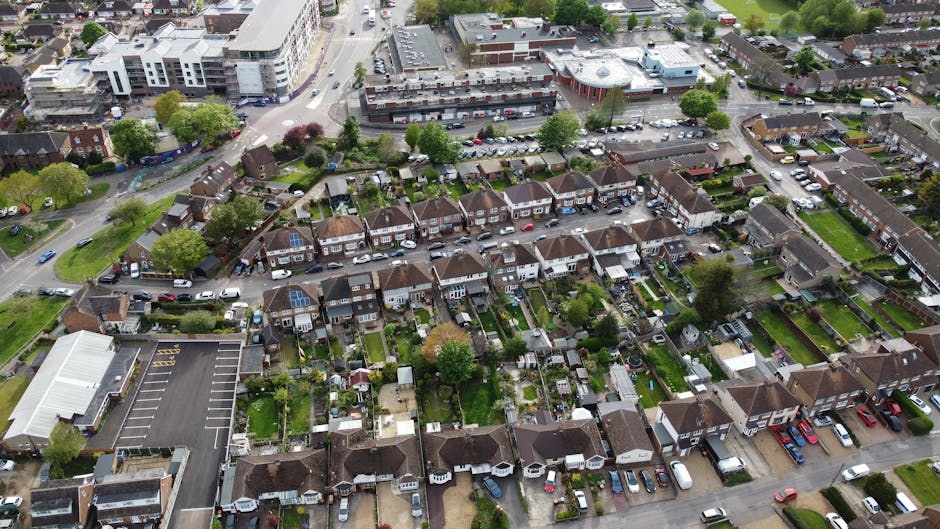
West Wickham is a suburban district in the London Borough of Bromley, in south-east London, with a character shaped by its position on the edge of the city and the older route patterns that passed through the area. The High Street forms a clear local centre, with a mix of shops, services and everyday civic life clustered around the main road network. The district developed from a historic village into a commuter suburb, and traces of that older settlement pattern remain in the street layout and the spacing of buildings. Nearby open spaces, including West Wickham Common and the surrounding green belt edges, give the area a notably greener feel than many inner London districts. The locality is also influenced by its connections towards Hayes, Bromley and Croydon, which have long made it part of a wider network of suburban movement. Residential roads spread out from the centre in a pattern typical of twentieth-century expansion, while older buildings and later infill create a mixed streetscape. Churches, schools and local community facilities contribute to the area’s daily identity, and the station provides an important rail link into central London. The result is a place that combines suburban convenience with pockets of open land and a sense of local continuity, making it distinct within the broader Bromley borough.
Home removals for different property sizes

Household moves vary widely, and that is why a flexible removals service matters. We can help with flats, terraces, family homes and smaller residences where the load is too much for a simple car journey but does not require a fully expanded large-scale removal operation. The work may include a few essential rooms, a partial move or the contents of an entire property.
Our house movers and house removalists pages provide related routes through the domestic moving options, while house removals remains the clearest general reference point. The service can be adapted to different room counts, item types and access arrangements. That is useful when you need a move that is organised but still straightforward enough to keep the day manageable.
It helps to separate what must travel by van from what can be kept back, sold or arranged later. That is especially true for furniture that needs dismantling or for rooms with a mixture of heavy and light items. A measured approach often makes the whole house move feel more controlled, even when the timeline is tight.
Supporting smaller collections and local deliveries
There are many moving jobs that sit somewhere between courier work and a full removal. We can handle local collections and deliveries where the items are substantial enough to need a van and proper loading. This can include furniture bought privately, business stock, storage items or household goods being passed between addresses.
For these tasks, the focus is on practical transport rather than unnecessary complication. If a collection includes a sofa, cabinet or other awkward piece, it may need careful manoeuvring at both ends. Where the load is mostly boxed goods, the emphasis shifts towards stable stacking and clean use of vehicle space. In either case, the job benefits from a sensible loading plan.
The removal services and removals pages sit well alongside this sort of work because they cover the broader transport picture. If your requirement is a straightforward collection, the main question is usually whether the goods can be moved in one trip and how best to secure them in transit. Clear details help, but the service itself stays focused on safe movement.
How our moving service is organised
Good organisation makes a practical difference from the first lift to the final delivery. The work normally starts with understanding the load, then checking how the items will be carried, loaded and positioned on arrival. That reduces unnecessary handling and helps keep the move efficient without rushing the important parts.
Our man with van and man with van removal pages describe closely related options, while removals near me may help if you are comparing local moving pages on the site. We keep the transport side practical: fit the service to the job, keep the items organised and avoid adding complexity that the move does not need.
A sensible move often comes down to a few manageable steps: group the items, make access clear, decide whether anything needs dismantling and confirm the destination. If you have storage involved, extra stops or unusual items, that can be included in the plan. The clearer the load shape, the better the vehicle use tends to be.
Recycling, disposal and end-of-move choices

Sometimes a move is linked to sorting rather than simply transporting. A customer may be clearing rooms, replacing furniture or deciding what should be kept and what should be moved on. In those situations, it helps to separate transport from any disposal decisions so that only the items you want to keep are sent to the new address or storage.
Our recycling and sustainability page gives a broader sense of the approach to responsible handling, while removals van may be useful if you are comparing vehicle-focused options. The service itself is not a waste collection round, but it can sit alongside a sensible plan for items being retained, reused or removed from the premises.
If you are unsure how to divide a larger clear-out into movable and non-movable parts, a simple list can help. Separate the items that are definitely going, then identify anything bulky or fragile that may need extra care. When you are ready, ask for a quotation and we can help shape the moving side of the job around the items that remain.
Clear terms and practical booking support
Before a move is confirmed, it is sensible to understand the basic terms, the intended load and the likely handling requirements. That keeps expectations realistic and helps the job run more smoothly on the day. If a move involves multiple collection points or especially awkward items, those points are best mentioned early so the arrangement can be set up properly.
You can also review our terms and conditions and insurance and safety information if you want to understand the wider framework around the service. These pages are there to support clear communication about moving work, handling standards and the practical conditions that apply to transport jobs. They are useful alongside the quotation process, especially for more involved moves.
For straightforward planning, keep the essentials in one place: what is moving, where it is going, and whether the load needs extra care. That is usually enough to begin. If you are comparing a number of service options, use the page that best matches the kind of move you need rather than trying to fit everything into one description.