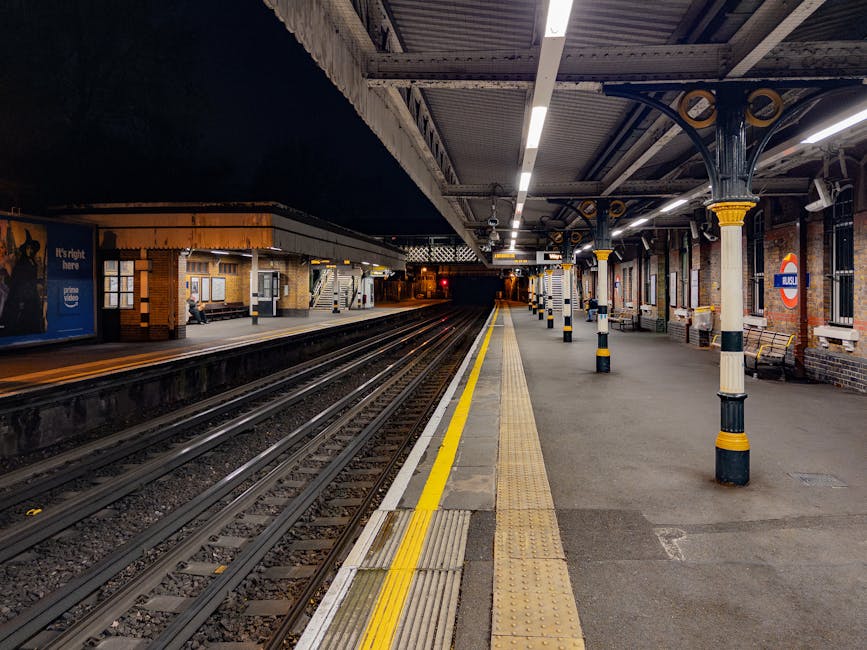
West Wickham Station loading tips for safe local removals
If you are moving near West Wickham Station, the loading side of the day can make or break the whole removal. A well-planned lift from front door to van keeps things calm, reduces damage, and saves those awkward last-minute scrambles when the traffic is building and everyone is watching. These West Wickham Station loading tips for safe local removals are written for real life: narrow streets, short loading windows, awkward furniture, and the simple fact that not every move runs like clockwork.
To be fair, most problems do not come from the move itself. They come from the handover moments: where the van stops, how boxes are stacked, who carries the heavier items, and whether the route to the vehicle is actually clear. This guide walks through the local loading process step by step, so you can protect your belongings, your nerves, and your schedule. You will also find practical local-move advice, a comparison table, a checklist, and a few hard-earned tips that make a proper difference.
Why West Wickham Station loading tips for safe local removals Matters
Loading is where safety, speed, and local knowledge all meet. Near West Wickham Station, even a small removal can be affected by parked cars, tighter access, commuter traffic, and the usual stop-start rhythm of a busy London suburb. If you load badly, you feel it later: scratched furniture, strained backs, boxes that collapse halfway to the van, and a move that seems to take twice as long as it should. Not ideal, really.
A safe loading plan matters because it reduces avoidable risk. That includes damage to items, slips and trips, and the classic problem of trying to carry too much at once just to "save time". If the property is a flat, if there are steps, or if the entrance sits close to a busier road, the load-in and load-out points need more thought than people often give them.
There is also a practical timing angle. Local removals often happen in tight blocks of time, especially when parking is limited or when you are trying to work around a work shift, a building rule, or a train schedule. A few extra minutes spent planning the loading zone can save a lot of noise and hassle later. And if you have ever tried to move a wardrobe while a neighbour is trying to reverse out of a bay, you already know the feeling.
For many households, safe loading is not about perfection. It is about reducing friction. Good loading means fewer trips, better use of van space, and less handling overall. That alone can lower the chance of damage. The same logic applies to small office moves and single-item collections too.
How West Wickham Station loading tips for safe local removals Works
At a simple level, the process is straightforward: plan the access route, position the van sensibly, prepare items for safe movement, and load in an order that protects the heaviest and most fragile belongings. In practice, though, the details matter. A safe load is usually built from the ground up, not thrown together at the kerb with fingers crossed.
Think of the loading process in three stages. First, you assess the access. That means looking at where the van can stop, whether there is enough space to open doors fully, whether there are steps or tight turns, and how far items need to travel. Second, you prepare the items. Disassembly, padding, tie-wraps, covers, and good box sealing all matter here. Third, you load with order: heavy items low and secure, lighter items stacked carefully, and fragile items protected from pressure.
There is a rhythm to it. A good crew moves in a sequence rather than a rush. One person guides, one carries, another stages items close to the van if needed. That kind of workflow avoids bunching at the doorway. It also helps when you are dealing with a tricky item like a mattress, a glass table, or a washing machine that seems to have been designed to catch on every corner in the house.
If your move starts close to the station area, timing becomes part of the method. Morning and evening travel periods can make local roads feel slower than they look on paper. So the "how it works" part is not only about lifting technique. It is also about choosing the right loading window and making sure the vehicle is in position before the heavy work begins.
Key Benefits and Practical Advantages
Good loading practice gives you more than just peace of mind. It can genuinely change how the whole move feels from the first box to the last. Here are the main benefits worth caring about:
- Less damage: items are secured properly, so corners, screens, and surfaces are better protected.
- Faster turnaround: a neat loading sequence reduces double-handling and unnecessary backtracking.
- Safer lifting: when the right item is moved in the right way, strain risks drop noticeably.
- Better van space use: a well-packed vehicle usually needs fewer trips, which matters on a local move.
- Less stress: the day feels more manageable when there is a visible plan.
- Cleaner exits and entrances: you are less likely to block hallways, steps, or communal paths for long.
There is also a less obvious advantage: a more professional handover with neighbours, landlords, and building managers. If you are not blocking the entrance for ages and the loading is tidy, people notice. In a place like West Wickham, where many moves sit close to shared access points or busy pavements, that can make the difference between a smooth day and a very grumpy one.
Another benefit is that it keeps your decision-making clearer. Once items are grouped, wrapped, and staged, you are less likely to rush or change your mind halfway through. You know what is going first. You know what needs two people. You know what must stay upright. Simple, but it works.
Who This Is For and When It Makes Sense
This guide is useful if you are moving house, shifting a flat, collecting bulky furniture, or handling a small business relocation around the West Wickham area. It is especially relevant if you have tight access, shared parking, upper floors, or heavy items that cannot just be lifted and hoped for. Let's face it, that covers a lot of real moves.
It makes sense for:
- Households moving locally: short journeys still need careful loading, especially if you are moving family furniture and boxed personal items.
- Flat moves: stairs, lifts, and communal entrances can slow the process down unless items are staged properly.
- Older residents or downsizers: planning reduces strain and makes the day less tiring.
- Busy professionals: if you need the move done quickly around work or train times, loading efficiency matters.
- Businesses and offices: files, desks, monitors, and IT equipment need orderly handling.
It is also useful if you are comparing moving options and trying to decide whether you need full removals support or just a van and loader. A smaller local move can often be handled efficiently with the right preparation, but the loading plan still needs to be taken seriously. There is no magic shortcut. Sadly.
If you are moving something valuable or awkward, such as a piano, a large mirror, or a heavy wardrobe, careful loading should not be treated as a side issue. It is the main event. Everything else hangs off that.
Step-by-Step Guidance
A calm load starts before anyone picks up a box. The steps below are practical, and in our experience they work best when followed in order rather than improvised on the doorstep.
- Walk the route first. Check the shortest safe path from the property to the van. Look for steps, narrow turns, low hanging branches, wet paving, or tight door frames.
- Decide where the vehicle will stop. Aim for the shortest carry distance that still leaves enough room for traffic and pedestrians. If you are unsure about parking arrangements, plan ahead rather than waiting until the van arrives.
- Group items by type and priority. Keep fragile items together, heavy items together, and anything needed first at the new address in a clearly marked pile.
- Protect surfaces before moving. Use blankets, covers, tape, stretch wrap, or cardboard where needed. A few minutes here can save a lot of irritation later.
- Load the heaviest items first. Put white goods, solid furniture, and dense boxes at the base. Keep them upright where required.
- Fill gaps carefully. Use soft items such as bedding or cushions to stop movement, but do not overstuff in a way that crushes fragile belongings.
- Secure the load. Use straps or tie-downs if available. Nothing should slide when the van brakes.
- Keep fragile items accessible and protected. Glass, mirrors, electronics, and framed items should be loaded where they will not take direct pressure.
- Do a last sweep. Check cupboards, loft spaces, under beds, and behind doors. The number of people who leave the kettle behind is, frankly, more than you would think.
A small but useful tip: label boxes by room and priority, not just by contents. "Kitchen - first unload" tells the team much more than "plates". That tiny bit of planning helps the unloading process as well, which is nice because by then everyone is usually a bit done in.
If the move includes several floors, split the job into manageable runs. Trying to carry too much in one go is how people end up bumping walls, scuffing skirting boards, or losing grip on awkward packaging. Slow is not always ideal, but controlled almost always is.
Expert Tips for Better Results
Here are the little things that tend to separate a decent local move from a smooth one. They are not flashy. They just work.
- Stage items near the exit, but not in the way. A tidy holding area reduces doorway congestion.
- Use consistent box sizes where possible. They stack more securely and waste less space.
- Keep a "do not load yet" zone. Useful if you still need documents, chargers, keys, or cleaning supplies.
- Protect corners first. Most bumps happen at corners and door edges, not in the middle of a room.
- Load in the order of unloading. If something must come out first at the destination, put it near the van door but still secured.
- Use two people for anything awkward. Not because it sounds professional, but because it often is safer.
A small real-world observation: the load goes better when everyone knows the plan before the first item moves. A minute spent saying "heavy items first, fragile at the back, hallway clear" saves much more time than it costs. Sounds obvious. People still skip it.
Another practical point is hydration and pacing. On a warm afternoon, even a local move can get sweaty fast, especially if stairs are involved. A short pause is better than a sloppy lift. And yes, tea helps morale, though perhaps not the physics.
If you are moving a mix of household goods and furniture, keep a mental eye on weight distribution throughout the day. It should not be lopsided, and it should not shift around like a loose stack of shopping bags. Secure means secure.
Common Mistakes to Avoid
Most moving mishaps are avoidable. The same mistakes come up again and again, and they usually start with urgency. Here is what to watch out for.
- Leaving parking to the last minute: that can force longer carries or awkward roadside loading.
- Overpacking boxes: they become unsafe to lift and more likely to split.
- Loading fragile items underneath heavy ones: a classic mistake and one that really hurts later.
- Skipping disassembly: sometimes a bed frame or table should simply be taken apart first.
- Ignoring floor protection: wet weather, muddy shoes, and repeated foot traffic can damage internal surfaces.
- Not measuring large items: doorways and stair turns can be tighter than they look.
- Rushing the final sweep: a missed charger is annoying; a missed folder of documents is a bigger problem.
One of the biggest errors is assuming the van will "just fit everything". Maybe. But if the load order is messy, the day becomes a puzzle no one wanted. It is better to know in advance what the larger and more delicate items are, and how they will sit inside the vehicle.
Another mistake is trying to be too efficient with carrying. The goal is not maximum weight per trip. The goal is safe, controlled movement. Different thing entirely. Sounds a bit boring, but boring is often what you want on moving day.
Tools, Resources and Recommendations
You do not need a warehouse of kit to load safely, but the right basics help a lot. For local removals near West Wickham Station, these are the tools and materials that tend to earn their keep:
- Sturdy boxes: preferable in matching sizes for stackability.
- Furniture blankets and covers: useful for protecting polished wood, painted surfaces, and upholstery.
- Straps and tie-downs: for keeping larger items from shifting.
- Tape and stretch wrap: for securing drawers, doors, cables, and loose parts.
- Protective gloves: improve grip and help with heavier or rough-surfaced items.
- Dolly or sack truck: helpful for repeated trips with boxes or appliances.
- Labels and marker pens: simple, but very effective for a more organised unload.
It can also help to choose a moving service that is clear about its loading approach. If a provider explains how items are packed, how fragile belongings are handled, and what protection is used, that is a good sign. For example, you may want to review the company's approach to insurance and safety, especially if you are moving items with higher value or sentimental importance.
For customers who want to keep the move cost-conscious, it is worth understanding what is included before the day arrives. A clear look at pricing and quotes can help you compare services without getting caught out by vague assumptions. That kind of clarity makes decisions easier. Much easier, actually.
If your move includes furniture that needs to be collected, or you are clearing larger items as part of a downsizing plan, a service such as furniture pick up may be a useful fit. And for fuller household moves, the company's home moves and man and van pages can help you judge which type of support matches the size of your move.
Law, Compliance, Standards, or Best Practice
For local removals, compliance is usually less about drama and more about doing things properly. If a van is stopping near a station area or on a public road, parking should be planned in line with local rules and any restrictions that apply at the time. That can include local parking controls, access considerations, and any building or estate requirements. The exact position will depend on the street and the property, so it is best not to assume.
Health and safety best practice matters too. Heavy lifting should be controlled, not rushed. If something is too awkward for one person, it should be treated as a two-person lift or moved with equipment. If you are using professional movers, ask how they reduce manual handling risk and protect property during loading. A provider with a clear health and safety policy gives you a better sense of their working standards.
It is also sensible to check whether a move involves shared entrances, communal corridors, or flat blocks with specific access expectations. In those cases, respecting neighbour access and keeping routes clear is part of basic best practice. No one enjoys a van wedged across a pathway just because the team wanted to save twenty seconds.
For people wanting reassurance on damage cover and liability, the practical route is to ask questions early and read the provider's policy pages carefully. If you are comparing companies, the wider set of pages on removal services and removal company can help you understand the level of service and responsibility offered.
Options, Methods, or Comparison Table
Not every move near West Wickham Station needs the same level of support. The right loading method depends on the size of the load, access conditions, and how much lifting you want to manage yourself. Here is a useful side-by-side comparison.
| Approach | Best for | Strengths | Watch-outs |
|---|---|---|---|
| DIY loading | Very small moves, low-value items, short distances | Lower upfront cost, full control | Higher risk of injury, slower, more stressful without help |
| Man and van support | Single flats, student moves, furniture pickups, modest local relocations | Flexible, efficient, usually good for tight access | May still require you to pack and prepare properly |
| Full removal service | House moves, larger families, heavier furniture, more complex access | More hands, better structure, less lifting for you | Usually more expensive than a minimal service |
| Specialist handling | Pianos, antiques, bulky or delicate items | Better protection and technique for awkward items | Requires advance planning and may take more time |
If you are unsure which route suits you, consider the access first, not the cost. People often start with price and then discover the stairs are narrower than they remembered. It happens. A lot.
For some customers, the best choice is a mixed approach: light packing done in advance, then a professional team handles the lifting and vehicle loading. That can be a sensible middle ground, especially if the move is time-sensitive.
Case Study or Real-World Example
A typical local example: a couple moving from a first-floor flat near West Wickham Station to a nearby home a few streets away. The property had a narrow staircase, a tight communal entrance, and limited stopping space outside. Nothing impossible, but enough to make poor planning expensive in time and effort.
They started by boxing essentials separately, dismantling the bed frame the evening before, and setting aside fragile kitchen items in clearly marked cartons. On moving day, the van was positioned before larger items were carried out, which meant the hallway never filled with waiting furniture. Heavy items went in first, blankets filled the gaps, and mirrors were loaded upright and secured.
The result was simple: less stress, fewer trips, and no damage. The move still took concentration, of course. Local removals are not glamorous. But because the loading was organised, the whole thing felt manageable rather than chaotic. That is usually the difference between a move people remember fondly and one they never want to discuss again.
One small lesson from that kind of move: if you think something will be awkward, it probably will be. Deal with it early. Do not leave the tricky wardrobe until the end, when everyone is tired and the kettle is already packed. Bad timing. Really bad timing.
Practical Checklist
Use this checklist before loading begins. It is simple, but it catches the most common problems.
- Confirm the van parking position and access route.
- Measure large furniture against doors, stairs, and hall turns.
- Pack boxes securely and label them by room.
- Separate fragile items from heavy ones.
- Disassemble bulky furniture where sensible.
- Protect floors, corners, and door frames.
- Have blankets, straps, wrap, and gloves ready.
- Keep essentials and valuables with you.
- Decide which items need to be loaded first and unloaded first.
- Do a final sweep of cupboards, lofts, sheds, and under beds.
- Keep walkways clear during lifting.
- Check that nothing can shift during travel.
Expert summary: The safest local removals are rarely the fastest-looking ones at the start. They are the ones where access is planned, items are prepared properly, and the loading order is calm rather than rushed. If you get those three things right, everything else becomes much easier.
Conclusion
West Wickham Station loading tips for safe local removals come down to a clear idea: make the move easier to carry, easier to load, and easier to trust. The station area brings its own practical challenges, from traffic rhythm to parking pressure, but none of them are especially mysterious once you break the job into steps. Plan the access, protect the goods, load with order, and keep people moving safely.
If you are preparing for a local move, do not wait until moving morning to think about the loading plan. A few minutes of preparation can save a full day of awkwardness. And honestly, that is the kind of win you feel straight away. Small move, big relief.
If you want support that is built around careful handling, sensible planning, and a smoother local move, explore the service information that best matches your situation and take the next step with confidence.
Get a free quote today and see how much you can save.
Sometimes the best moves are the ones that feel quietly under control from the very first box.
Frequently Asked Questions
What are the most important loading tips for a move near West Wickham Station?
The most important tips are to plan the parking position, protect the route from the property to the van, load heavy items first, and keep fragile belongings separated. If you get those basics right, the move is usually calmer and safer.
How early should I plan the loading side of a local removal?
Ideally, you should plan it a few days ahead, especially if parking is limited or you are moving from a flat. Even a short local move benefits from knowing where the van will stop and what needs disassembly.
Is man and van support enough for a small West Wickham move?
Often, yes. For smaller loads, a man and van service can be a practical option as long as access is straightforward and the items are packed properly. If you have heavy furniture or stairs, you may need extra help.
What should go into the van first?
Heavier and sturdier items usually go in first so they can form a stable base. Fragile items should be protected and positioned so they are not crushed or shifted during travel.
How do I reduce the risk of damage during loading?
Use blankets, padding, and straps, and do not overfill boxes. Keep fragile items away from heavy pressure and avoid dragging furniture across floors or door frames whenever possible.
Do I need special equipment for loading furniture safely?
Not always, but dollies, sack trucks, straps, and blankets are extremely helpful. For large or awkward items, using the right equipment is safer than relying on strength alone.
What if the street near the station is busy on moving day?
Then timing matters even more. Try to choose a quieter loading window and make sure the van is positioned so items can move quickly without blocking traffic or pedestrian access for too long.
Are there extra concerns for flats and shared entrances?
Yes. Communal corridors, stairwells, and shared doors need careful handling because they create pinch points. Keep the route clear and be considerate of neighbours using the same space.
How can I tell if a removal company takes loading safety seriously?
Look for clear information about handling methods, safety procedures, and damage protection. A company that explains how it works is usually easier to trust than one that stays vague.
What is the biggest mistake people make during local removals?
Rushing. People often underestimate how much time planning the loading area saves. When the van position, box labels, and item order are already sorted, the whole day runs better.
Can I load everything myself to save money?
You can for very small, simple moves, but it may not be worth the strain if you have heavy furniture, awkward access, or fragile items. Saving money should not mean increasing the risk of injury or damage.
Should fragile items be loaded last?
Not necessarily. They should be loaded where they are protected from pressure and movement. In many cases that means placing them carefully after the main heavy items are in, but the real priority is secure placement, not a fixed rule.