Bromley Council Permits for West Wickham Removals Explained
Posted on 04/07/2026
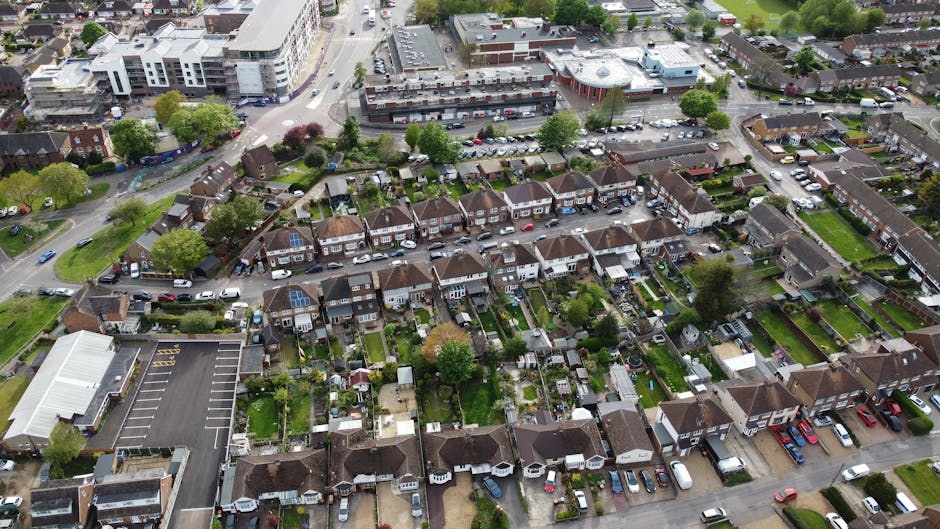
If you are moving in West Wickham, parking is often the bit that turns a tidy moving plan into a stressful scramble. A van that cannot stop near the property, a narrow road with residents' bays, or a busy school run can all add pressure fast. That is why Bromley Council permits for West Wickham removals matter so much. They help you avoid tickets, delays, and the awkward moment when everything is packed but the vehicle is nowhere near the front door.
This guide breaks the subject down in simple terms. We will look at how permits usually work, when they are needed, what risks to watch for, and how to plan a smoother move across BR4. If you are trying to move out of a flat, a terraced house, or a busy high street property, a bit of permit know-how can save a lot of bother. Truth be told, it is one of those boring details that becomes very exciting if you get it wrong.
Why Bromley Council Permits for West Wickham Removals Explained Matters
Parking rules are not just a background issue. For removals, they shape the whole moving day. If a van parks in the wrong bay, on a yellow line, or too close to a junction, the consequences can include a fine, a forced move, or a very inconvenient stop-start loading process. That is a headache nobody wants while carrying sofas, wardrobes, or a box of dishes that already sounds like it is about to rattle apart.
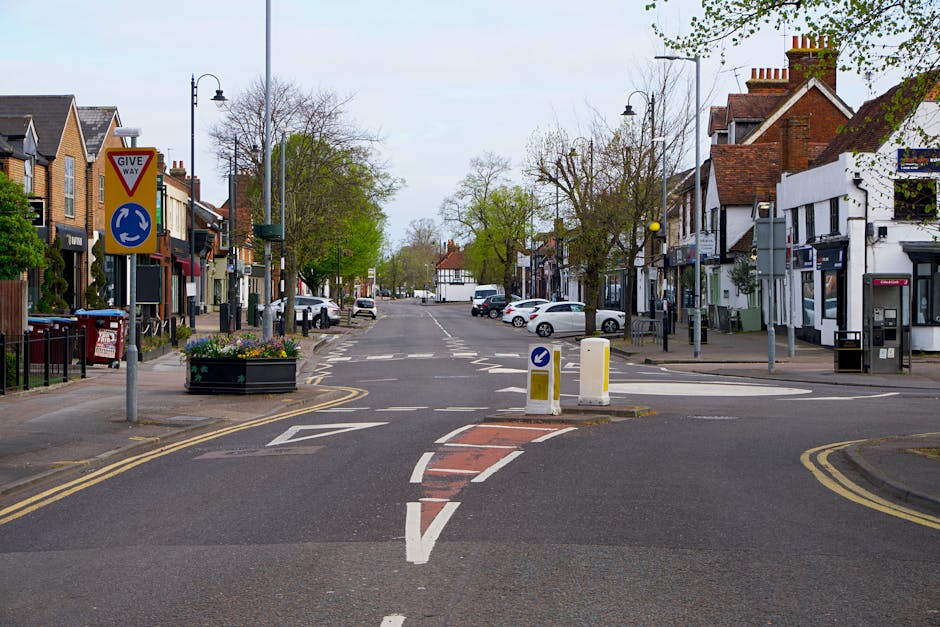
West Wickham has a mix of housing types and road layouts, which means one street may be simple while the next is much trickier. A cul-de-sac might feel straightforward, but residents' parking, timed restrictions, loading rules, or narrow carriageways can still create problems. That is why local planning matters. A good removals plan should always account for access first, boxes second.
It also matters because moving day is usually time-sensitive. If your team is waiting for a legal parking space three doors away, the whole schedule can slip. That can affect labour time, lift access, neighbour goodwill, and even storage arrangements. For many households, the permit question is not really about paperwork; it is about keeping the move calm enough to function.
Some movers also overlook how useful a permit can be for a complex property. A long carry from the van to the front door can make a simple job feel twice as hard. It adds fatigue, risk of dropping items, and extra trips up and down steps. If you have ever carried a mattress down a driveway in drizzle, you will know exactly what I mean.
To get a wider sense of how the overall move fits together, it helps to think about planning, packing, and lifting as one chain. Articles like achieving a calm house move and efficient packing techniques show how much smoother everything gets when the small logistical details are handled early.
How Bromley Council Permits for West Wickham Removals Explained Works
In plain English, a council parking permit gives permission to park in a location or during a period that would otherwise be restricted. For removals, that usually means trying to secure lawful access close to the property so loading and unloading can happen safely and efficiently. The exact rules depend on the street, the type of restriction, the day, the time, and what vehicle is being used.
It is important to separate three things. First, there may be residents' parking rules. Second, there may be loading or waiting restrictions. Third, there may be special permission needed for a removals vehicle to stop where it normally could not. Not every move needs a permit, and not every permit works the same way. That is why guessing is risky. Parking rules have a habit of looking simple until you are standing in the street with a trolley full of boxes.
In a practical removals context, the process usually works like this:
- Check the street restrictions around the old and new addresses.
- Decide whether the van needs to park directly outside, nearby, or only briefly for loading.
- Confirm whether the restriction is residential, time-limited, or loading-only.
- Arrange permission in advance if the road layout makes access difficult.
- Build the permit plan into the moving schedule so nobody is left waiting.
For properties near busy routes, a timing strategy may matter as much as the permit itself. Early mornings can be calmer, while school runs and commuter periods can be more awkward. A practical moving schedule, plus the right van access, often matters more than people expect. If you need a broader location-specific perspective, the local guide to the best streets to know in BR4 and the notes on access and parking tips near West Wickham Common are useful companions.
One point people miss: permit planning is not only for large lorries. Even smaller vehicles can cause issues if they block traffic or sit where loading is not allowed. A man and van job still needs the same local awareness if the street is tight or controlled. The vehicle size may be smaller, but the parking rules do not magically relax because the van is friendly.
Key Benefits and Practical Advantages
Getting the permit side right gives you more than peace of mind. It changes the practical rhythm of the move. Here are the main advantages.
- Less time wasted: close parking cuts carrying time and speeds up loading.
- Lower risk of damage: shorter carrying distances mean fewer bumps, drops, and awkward turns.
- Reduced strain on people: movers, helpers, and the household do less shuttling back and forth.
- Better schedule control: a planned parking position helps the day stay on track.
- Fewer fines or complaints: lawful parking reduces avoidable risk.
There is also a softer benefit: the mood stays better. A move can be noisy, tiring, and a little chaotic by nature, but at least parking should not be the thing that tips everyone over the edge. When the van is positioned properly, the whole operation feels more under control, and you can focus on the useful stuff like securing fragile pieces and keeping pathways clear.
For example, if you are moving a flat and have stairs, a short carry from van to hallway can save a lot of energy. That is especially true if you are moving heavy items such as beds, white goods, or a piano. On that note, if your move includes specialist pieces, it is worth reading the guide to expert handling of pianos and the practical notes on moving a bed and mattress safely.
Who This Is For and When It Makes Sense
Not every West Wickham move needs council permission, but quite a few do. The people most likely to benefit are those moving from or into streets with controlled parking, limited loading space, or higher daytime traffic. That includes:
- flat movers in shared blocks or narrow roads
- households on terraced streets with little kerb space
- small office moves with timed access windows
- students or renters moving quickly in and out
- anyone using a van that needs to stop close to the property
It makes particular sense if you are already juggling lots of moving-day variables. Maybe the landlord has a tight handover time. Maybe the new place has a steep path or awkward steps. Maybe the item list includes a freezer, a sofa, and a wardrobe, all of which would be far more pleasant with short access. In those cases, permit planning becomes part of the move, not an optional extra.
If you are weighing up the type of help you need, browsing removal services in West Wickham or comparing local removal companies can help you judge whether access support, parking planning, and loading assistance are included. For smaller jobs, a man with a van in West Wickham may be enough; for bigger jobs, a more structured service may be the calmer route.
Step-by-Step Guidance
Here is the most practical way to approach permits without turning the move into a research project that never ends.
1. Map out both addresses
Look at the old and new property from a parking perspective. Where can a van actually stop? Is there space for loading? Are there yellow lines, time-limited bays, or resident-only spaces nearby? A five-minute walk around the road can reveal more than a sat-nav ever will.
2. Check the likely access points
Think about the path from van to door. A narrow hallway, a shared stairwell, or a long front garden changes everything. If access is awkward, close parking matters more than you might think.
3. Identify the type of restriction
Some streets allow short loading. Others do not. Some areas are better in the morning, while others are easier later in the day. This is where careful checking beats assumption every time.
4. Allow enough lead time
Do not leave parking arrangements to the morning of the move. To be fair, most people only realise this at the last minute because they are focused on packing tape, not kerbside rules. But permit-related planning should happen early, especially if your move is timed with key handover windows.
5. Confirm the vehicle and timing
Make sure the vehicle size and move timing match the space available. A smaller vehicle may fit a different spot, while a larger removals van may need more room to manoeuvre. If your move is urgent, the advice in same-day removals in West Wickham is worth a look because short-notice moves need especially clean logistics.
6. Keep evidence of permissions handy
If a permit or arrangement has been agreed, keep it accessible on the day. Not buried in a kitchen drawer. Not somewhere in the cloud you cannot open with cold fingers and a delivery driver breathing down your neck. Right where the driver can check it quickly if needed.
Expert Tips for Better Results
Here are a few things that make a real difference in the field.
Use the quietest window you can. If your schedule is flexible, avoid school run hours, commuter peaks, and the busiest stretch of the high street. Around West Wickham station and nearby routes, timing can matter a lot. The article on best times and routes near West Wickham station is a good reminder of how local flow affects moving day.
Think like a loader, not just a planner. Where will trolleys turn? Is the pavement wide enough? Are there low branches or awkward kerbs? A permit solves parking, but not every physical obstacle.
Declutter before you organise access. Smaller loads need less parking time and fewer trips. That is one reason decluttering before moving house is such a smart early step.
Protect your back as well as your furniture. Good access reduces strain, but lifting still needs care. If you are doing any solo carrying at all, the advice in solo heavy lifting tips and techniques and kinetic lifting basics is worth keeping in mind.
Match the permit approach to the property type. A flat move, a house move, and an office relocation do not have the same access needs. That sounds obvious, but people still try to use one generic plan for everything. It rarely ends well.
Use packing to reduce parking pressure. Well-packed items load faster, and faster loading means less time parked in a restricted area. There is a nice knock-on effect there. If your boxes are organised, the van spends less time on the kerb and more time actually moving.
Common Mistakes to Avoid
Some mistakes are small but expensive. Others are simply annoying. Here are the ones that come up most often.
- Assuming the street is fine because it looks quiet. Quiet streets can still have restrictions.
- Leaving parking checks until moving day. This is the classic one. A bit of a face-palm moment, honestly.
- Ignoring loading time. Even a short stay can be restricted in some places.
- Forgetting the return trip. The van may need access at both properties, not just one.
- Overestimating how far people can carry items. Long carries slow the move and raise the chance of damage.
- Not matching the van to the street. Bigger is not always better if the road is tight.
One practical example: a family moves out of a terraced house on a narrow road and assumes the van can pull up anywhere because the road is residential. It cannot. That adds fifty metres of carrying each trip, which seems small until you are on trip nine with a sofa cover slipping and someone asking where the kettle went. That is how moves become stories people retell for the wrong reasons.
Tools, Resources and Recommendations
You do not need complicated kit, but a few sensible tools can help. Useful items include:
- trolley or sack truck for heavy boxes and appliances
- furniture blankets for kerbside protection
- load straps to keep items stable in transit
- clearly labelled boxes for quicker unloading
- clipboard or digital notes for access instructions and timing
It also helps to keep your move coordinated with the rest of the service. If you need a fuller overview of packing, boxes, and supplies, the page on packing and boxes in West Wickham is a useful starting point. For storage-related moves, especially if the timing between properties is not neat, take a look at storage in West Wickham and the article on keeping sofas in good condition during storage.
For specialist items and fragile loads, extra planning is worth it. Pianos, antiques, and large glass items often need more careful access than standard boxes do. If that is part of your move, packing fragile antiques safely is a smart read before the van arrives.
Law, Compliance, Standards, or Best Practice
This is the bit where caution matters. Parking and loading restrictions are governed by local rules, road markings, and the conditions attached to each street or bay. Because those details can vary, the safest approach is to verify the exact restrictions for both addresses before the move rather than rely on memory or guesswork. That is especially true if the property sits near a main road, a school, a station, or a busy shopping parade.
Best practice for removals is simple: plan to park legally, load safely, and keep access clear. Where permits or permissions are needed, arrange them early and keep proof on hand. Where loading is allowed only in certain windows, respect those windows. Where neighbours might be affected, a bit of courtesy goes a long way. Nobody enjoys the sound of repeated van doors at 7 a.m., least of all the person who has not yet had tea.
From an operational standpoint, professional movers should also follow safe loading and moving practices. That includes not blocking emergency access, not forcing oversized vehicles into unsuitable spaces, and keeping walkways as clear as possible. If you want to understand how a responsible local mover thinks about risk, the company's health and safety approach and insurance and safety information are sensible pages to review alongside the move plan.
Options, Methods, or Comparison Table
Most movers in West Wickham end up using one of three approaches. The right choice depends on street access, budget, and how much stress you want to carry with the boxes.
| Approach | Best for | Pros | Trade-offs |
|---|---|---|---|
| Direct kerbside access with permission | Short, controlled loading near the property | Fast, efficient, least carrying | Needs suitable road space and correct permission |
| Nearby legal parking | Moderately restricted streets | Often easier to arrange, still workable | Longer carry and more labour |
| Off-site parking with shuttle loading | Very tight roads or busy periods | Flexible when parking is limited | Slower and more physically demanding |
In most real-life moves, direct access is ideal, nearby legal parking is acceptable, and off-site parking is the fallback. The trick is choosing the method before the pressure builds. Once the wardrobe is halfway out the door, decisions become much more emotional and less helpful.
Case Study or Real-World Example
Imagine a typical West Wickham flat move on a weekday morning. The couple moving out has a lot of smaller items, a bed, a sofa, and a freezer that needs careful handling. The street is tidy, but parking is controlled and space is tight. If the van simply turns up and hopes for the best, the team may have to park several doors away, which adds time and strain immediately.
Instead, the move is planned around access. The loading point is checked in advance. Timing avoids the busiest part of the morning. Boxes are packed neatly, so nothing needs to be re-opened on the pavement. The van parks legally close enough to make loading sensible, and the job stays calm. Not glamorous. But calm.
The outcome is usually better all round. Fewer trips, less lifting, less risk, and a much smoother handover of keys. If the move is more urgent, the same thinking still applies, but the timing becomes even more important. The difference between a hectic day and a manageable one often comes down to whether access was thought through the night before.
For households with big furniture or specialty items, links like furniture removals in West Wickham, house removals, and flat removals help frame the service around the access challenge, not just the item count.
Practical Checklist
Use this checklist a few days before moving.
- Confirm the move date, time, and property access windows.
- Check parking restrictions at both addresses.
- Decide whether a permit or special parking arrangement is needed.
- Measure large items and note any awkward turns, stairs, or thresholds.
- Label boxes so unloading is quicker and more organised.
- Keep a copy of any parking permission or move notes ready.
- Plan a backup option if the nearest bay is unavailable.
- Tell helpers or movers where to park and where not to block.
- Pack heavier items in smaller boxes where possible.
- Walk the route from van to door before lifting begins.
Expert summary: the best removals plan is rarely the flashiest one. It is the one that joins up parking, timing, lifting, and access without drama. Get those four pieces right, and most of the stress simply never appears.
If you are preparing the rest of the move too, a few supporting reads can help. The pre-move cleaning checklist is useful before keys change hands, and freezer care during inactivity is worth reading if appliances will sit unused for a while.
Conclusion
Bromley Council permits for West Wickham removals are really about one thing: making sure the van can work legally and efficiently close to the property. When that part is handled properly, the rest of the move becomes easier. There is less carrying, less delay, less strain, and fewer surprises. And let's face it, surprises are not what you want on moving day unless they involve finding the missing remote.
The smartest approach is to check the street rules early, plan access at both ends, and match the parking plan to the size and shape of the move. That tiny bit of extra effort can save a lot of trouble later. If your move involves tricky access, specialist items, or a tight schedule, it is worth building the permit question into your removals plan from the start. A calm move is not luck. It is usually preparation, done properly.
Get a free quote today and see how much you can save.