Moving Large Items Down West Wickham Terraces Safely
Posted on 02/06/2026
Terraced homes can make a move feel straightforward right up until you reach the stairs. Then the sofa turns awkward, the wardrobe catches the wall, and everyone suddenly becomes very aware of the banister. Moving large items down West Wickham terraces safely is not just about muscle; it is about planning, timing, protection, and knowing when to stop and ask for help. Done well, it keeps people safe, prevents damage, and makes the whole day feel far less chaotic.
In West Wickham, many properties have tight hallways, narrow front steps, small landings, and the kind of stair turns that look harmless until you are halfway through carrying a fridge. This guide breaks the process down in plain English, with practical steps you can actually use. If you are moving a sofa, bed, wardrobe, appliance, piano, or anything similarly bulky, you will find a safer way to approach it here.
Why Moving Large Items Down West Wickham Terraces Safely Matters
Large-item moves are one of those jobs where the risk is easy to underestimate. A sofa may seem manageable until it tilts on the stairs. A double mattress looks light enough until it blocks your view and catches the stair rail. And in terraced homes, there is usually less room to recover from a mistake. That is the real issue. One misstep can lead to damage to the item, the walls, the flooring, or, worse, someone's shoulder, hand, or back.
Safety matters for a second reason too: momentum. On a staircase, an object can become difficult to control very quickly. Once it starts shifting, you are no longer lifting in a stable way; you are reacting. That is where people get hurt. A controlled move is slower than a rushed one, but in practice it is faster overall because you do not end up stopping to repair scraped paint, rest aching muscles, or re-plan the whole route. Truth be told, the "we'll just get it down somehow" approach rarely ages well.
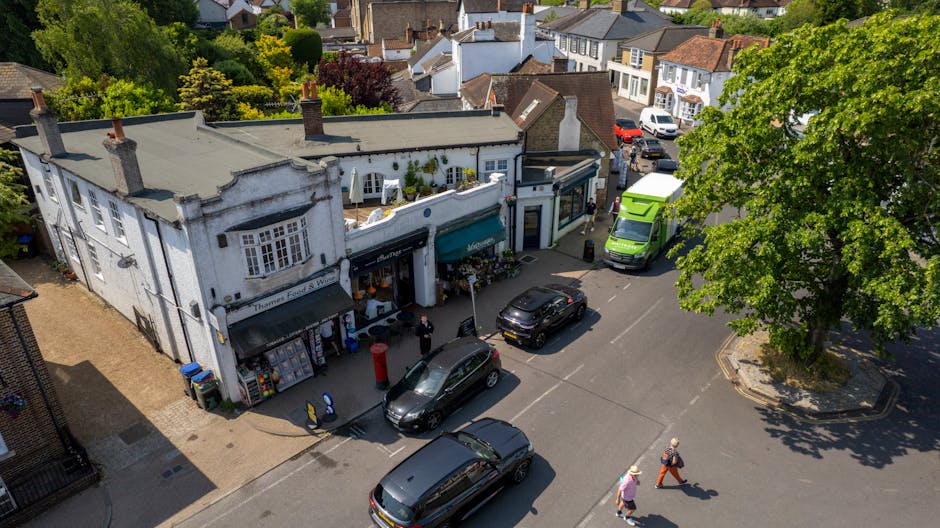
There is also the local reality. West Wickham terraces often come with close neighbours, limited street space, and front entrances that need protecting while the item is manoeuvred. If parking, access, or timing is awkward, you need a plan that respects the property and the people around it. For broader context on navigating local access issues, the guide on West Wickham Common moves and parking access is a useful companion read.
How Moving Large Items Down West Wickham Terraces Safely Works
The safest approach is usually a mix of preparation, positioning, communication, and the right moving technique. In simple terms: you clear the route, protect the property, reduce the item's awkwardness where possible, then move it with enough people and enough control.
Most successful terrace moves follow the same basic logic:
- Measure the item and the route before lifting anything.
- Remove obstacles, loose rugs, lamps, and anything that narrows the stair path.
- Protect corners, banisters, and floors.
- Break the item down if it can be dismantled safely.
- Assign clear roles so everyone knows who is guiding, who is lifting, and who is spotting.
- Move slowly, with pauses on landings and clear verbal communication.
That sounds basic, but the value is in the sequence. A terrace staircase is rarely the place to improvise. You want the item to be as compact as possible, the route as open as possible, and the team as coordinated as possible. If the item is especially heavy or awkward, a professional approach is often the sensible choice. For many household furniture jobs, furniture removals in West Wickham can be the safer route than trying to muscle through it yourself.
One thing people forget: turning points matter more than straight flights. A long, awkward wardrobe can feel fine at first and then become a problem at the first landing. So the route should be checked as a whole, not just the main staircase. Even if the item fits technically, the fit may still be too tight to move cleanly.
Key Benefits and Practical Advantages
There is a clear upside to taking a proper methodical approach, and it is not just about avoiding mishaps. You get better control, less stress, and fewer delays. That matters on moving day when energy is already running low.
- Less risk of injury: The right technique reduces strain on your back, shoulders, wrists, and knees.
- Less property damage: Protecting corners and using steady handling keeps walls, paintwork, and stair edges intact.
- Better protection for the item: Large items are expensive to replace and often awkward to repair. Safer handling keeps them in better condition.
- More predictable timing: A structured move is easier to schedule and less likely to stall halfway down the stairs.
- Lower stress: When everyone knows the plan, the whole thing feels calmer. Not effortless, just calmer.
There is another practical advantage that people often overlook: relationships. If you live in a terrace, you may share walls, fences, or tight access with neighbours. A quieter, tidier move is simply more considerate. Nobody wants to hear repeated thumps, scraping, and the occasional nervous apology through the front door. A calm house move approach helps a lot here, and this guide to keeping a house move calm fits neatly with that mindset.
Who This Is For and When It Makes Sense
This process is useful for almost anyone moving bulky household items in a terrace, but it becomes especially relevant in a few common situations.
- Families moving house: Sofas, beds, wardrobes, drawers, and appliances are common troublemakers.
- Flat or terrace residents: Tight stairwells and compact entrances leave less margin for error.
- Students: Even smaller moves can include large desks, mattresses, and heavy storage units. For those jobs, student removals in West Wickham can be a practical option.
- Small businesses and office relocations: Printers, filing units, desks, and stock can all be awkward in a narrow residential setting.
- Anyone moving one heavy item only: The job may look small, but a single large item can still be the hardest part of the day.
It also makes sense if the item is valuable, sentimental, or unusually shaped. A piano, for example, is not something to "just tip and hope for the best." The same goes for glass-fronted cabinets, vintage furniture, and anything with a delicate frame. If you are dealing with a piano, specialist handling matters; the article on expert handling of pianos explains why those moves need a different mindset altogether.
And if your item is simply too awkward for the staircase, that is not a failure. It is a signal. Some moves are better handled with a different team size, dismantling plan, or vehicle setup. No drama. Just good judgement.
Step-by-Step Guidance
Here is the practical version. This is the part most readers want, because theory is nice, but what do you actually do at 8:30 on a Tuesday morning when the sofa is halfway out the front room and everyone is asking questions?
1. Measure everything first
Measure the item's height, width, and depth. Then measure the staircase width, landing space, doorway clearance, and any tight turns. If the item has removable feet, handles, cushions, or doors, factor that in. People often forget to account for the extra centimetres a blanket or protective wrap adds. It sounds minor until it isn't.
2. Clear the route completely
Move shoes, mats, side tables, bins, lamps, and loose objects. Make the stair path as open as you can. In a terrace, the front hallway is often the bottleneck, not the staircase itself. Open doors fully and make sure they will not swing shut mid-move.
3. Protect the property
Use blankets, corner guards, floor runners, or cardboard protection where needed. Banisters and stair edges take the most accidental knocks, especially when an item is being rotated or lowered. If you hear that hollow scrape sound, you are probably already losing the margin you wanted.
4. Dismantle what can be dismantled safely
Remove shelves, legs, drawers, cushions, and loose fittings. For beds and wardrobes, this can make an enormous difference. Our bed and mattress moving tips are helpful if your item is part of a bedroom move and needs to come apart cleanly.
5. Position the strongest, most stable carriers
It is usually better to have two or three competent people than one person trying to prove a point. One person should lead the movement and call the pace. Another should support from the lower end. A third can spot corners, walls, and stair landings. Good communication matters more than bravado.
6. Move slowly and use landing pauses
Do not rush the stairs. On landings, pause to reset grip and breathe. That small pause is often what prevents a wobble from becoming a problem. If an item starts to twist, stop and re-coordinate. There is no prize for pretending not to notice.
7. Keep the load close and the route clear
Holding the item close to the body improves control and reduces strain. If you are lifting from the lower end, bend your knees and keep your spine neutral. For more on technique and posture, mastering kinetic lifting is worth a look, especially if you want to understand the body mechanics behind safer lifting.
8. Load the vehicle sensibly
Once the item is out, secure it in the van so it cannot shift. Large items should not be left loose where they can move during transport. A secure load protects the item and makes unloading easier at the other end. If you need the transport side of things, a removal van in West Wickham gives you the right kind of space for bigger pieces.
Expert Tips for Better Results
Some of the best terrace moves are not flashy at all. They just feel controlled. Here are the details that make the difference.
- Use taped labels on dismantled parts: Screws, brackets, and small fittings disappear fast. Put them in labelled bags.
- Wear proper footwear: Grippy soles matter more than people think. Slippy trainers and moving stairs are not a great mix.
- Protect your hands: Gloves improve grip and help with rough edges, though they are not a magic shield.
- Check the weather if the item goes outside: A damp path or wet step can turn a manageable move into a messy one.
- Plan the exit angle: Sometimes the challenge is not the staircase but the front door, especially on compact terraces.
- Keep children and pets away: Sounds obvious, but somehow it is always the dog that appears at the wrong moment.
In our experience, the biggest gain usually comes from simply slowing down. That sounds too basic, maybe even a bit dull, but moving heavy items is one of those jobs where dull is good. Dull means controlled. Controlled means safe.
If you are packing a whole property, it helps to declutter before the big move so the large items are fewer in number and easier to manage. The advice in maximising space by decluttering before moving house can save you from carrying things you never really wanted in the first place.
And if you want the packing side to run more smoothly, there is solid practical value in efficient moving with expert packing. Better packing reduces awkward shapes, loose parts, and panic on the day. Which, let's face it, nobody needs.
Common Mistakes to Avoid
Most moving mistakes are not dramatic. They are small decisions that add up. Here are the ones worth avoiding.
- Guessing the fit: Always measure. "It should be fine" is not a measurement.
- Using too few people: One strong person is not always better than two well-coordinated ones.
- Forcing awkward turns: If the item needs a different angle, stop and reset rather than dragging it through.
- Skipping protection: Bare walls and stair edges are very easy to damage in narrow terraces.
- Rushing the final stretch: A lot of accidents happen just as people think they are nearly done.
- Ignoring fatigue: Tired arms and tired judgement are a bad combination.
A common one, and this is slightly embarrassing but true, is underestimating the front doorway. People focus on the stairs and then realise the hall, door frame, or pavement turn is actually the awkward bit. The route works as a whole, or it does not.
Another mistake is assuming that furniture is either fully moveable or not moveable at all. Often, the answer is somewhere in between. A sofa may come apart. A wardrobe may be safer when emptied, stripped down, and carried in sections. That small bit of flexibility can save a lot of trouble.
Tools, Resources and Recommendations
You do not need a van full of specialist kit for every move, but a few sensible tools make terrace moves much safer and easier.
| Tool or Aid | Best Used For | Why It Helps |
|---|---|---|
| Furniture straps | Large sofas, wardrobes, appliances | Improves grip and keeps hands in safer positions |
| Protective blankets | All oversized household items | Reduces scuffs, dents, and paint damage |
| Floor runners or cardboard | Hallways and stair routes | Protects flooring and improves confidence while moving |
| Gloves with grip | Long carry or stair manoeuvres | Helps with control and hand protection |
| Tool kit | Dismantling beds, units, and furniture | Lets you remove fittings cleanly instead of forcing them |
| Trolley or sack truck | Solid items on level ground | Useful for short flat stretches, but not a cure-all on stairs |
There is also a planning resource angle. If you want the whole move handled more holistically, a full services overview can help you see where terrace access, packing, transport, and unloading fit together. That broader view tends to lead to better decisions than trying to solve each part in isolation.
For those needing a more flexible local moving option, man and van services in West Wickham are often a sensible middle ground between doing it all yourself and booking a larger full removal team.
If your move involves getting items into storage before they go up or down a terrace, it can also be helpful to look at storage in West Wickham. Staging items out of the way can reduce pressure on move day and make the staircase job less crowded.
Law, Compliance, Standards, or Best Practice
For household moves, there is usually no special law about carrying a sofa down a terrace, but there are well-established duties of care and common best practices that matter. If anyone is helping with the move, the main concern is safe handling, reasonable planning, and avoiding foreseeable harm. In a practical sense, that means not putting people in avoidable danger and not forcing a move that clearly needs more support or different equipment.
For businesses, landlords, and anyone arranging a move on behalf of others, it is worth thinking about risk assessments, access planning, and insurance. If you are hiring help, check that the provider has sensible safety procedures and adequate insurance for the work being done. For more on that side of things, insurance and safety information is the kind of page that helps build confidence before you book.
Good practice also includes respecting neighbours, keeping communal access clear, and avoiding unnecessary obstruction on the pavement or street. In West Wickham, as in most of London, a considerate move is usually a smoother move. Simple as that.
If you want to understand how a company handles complaints, terms, or trust-related details before booking, pages such as terms and conditions and complaints procedure are worth reviewing. Not glamorous reading, admittedly, but useful.
Options, Methods, or Comparison Table
Different terrace moves call for different approaches. Here is a simple comparison to help you decide what fits your situation.
| Method | Best For | Strengths | Limitations |
|---|---|---|---|
| DIY with friends | Light to moderate items, short distances | Lower cost, flexible timing | Higher risk if no one has lifting experience |
| Two-person or three-person team | Sofas, beds, standard furniture | Better control on stairs, easier communication | Still needs careful planning and route protection |
| Professional removal support | Heavy, valuable, or awkward items | Experience, equipment, reduced stress | Higher cost than DIY |
| Disassembled move | Large furniture with removable parts | Makes stair movement easier and safer | Requires time, tools, and careful reassembly |
The best choice is not always the cheapest one. If an item is costly to replace, a slightly higher spend can be a smart trade-off. That is particularly true for specialist pieces. If you are moving a piano or another highly delicate object, the more suitable route is usually a specialist service such as piano removals in West Wickham rather than a general household lift.
For busy days where timing matters more than anything, some people opt for same-day removals in West Wickham. That can be useful when a terrace move needs to happen quickly, though speed should never replace care.
Case Study or Real-World Example
Here is a realistic example based on the sort of terrace move that comes up often. A family in a West Wickham terrace needed to move a three-seater sofa, a king-size mattress, and a tall bookcase from an upstairs bedroom to a van parked on the street. The staircase turned sharply at the top, the hallway was narrow, and the front door opened into a tight space. Nothing outrageous, but enough to be annoying.
Instead of trying to carry everything in one go, they took a measured approach. The sofa cushions were removed first, the bookcase shelves were emptied, and the item was wrapped with blankets. One person led from the lower side on the stairs, one carried from above, and a third person kept an eye on the banister and front doorway. The mattress was folded slightly only where safe to do so and kept under control with a clean two-person carry. There was no rushing, and each landing became a reset point rather than a panic point.
The result? No scraped wall, no bruised knuckles, and no point where anyone had to say, "Actually, can we put that down for a second?" Well, they did say that, but in a controlled and sensible way. The move took a little longer than they first expected, yet it was smoother and safer from start to finish.
That is usually how terrace moves work best. Not dramatic. Just well handled.
Practical Checklist
Use this checklist before lifting anything heavy down a terrace staircase.
- Measure the item and the route.
- Empty the item where needed.
- Remove detachable parts, labels, and loose fittings.
- Clear the hallway, stairs, and doorway.
- Protect floors, corners, and bannisters.
- Check footwear and gloves.
- Assign roles before the lift begins.
- Agree on simple verbal cues such as "stop," "pause," and "turn."
- Plan where the item will be set down at each landing.
- Confirm the vehicle space and loading order.
- Keep children, pets, and bystanders well away from the route.
- Stop immediately if the item slips, twists, or feels unsafe.
Expert summary: The safest terrace moves are rarely the fastest ones. Measure first, strip down what you can, protect the route, communicate clearly, and do not force a lift that needs more people or better equipment.
If your move is more complex than it first looked, a local team that understands access constraints can make life easier. Pages like removal services in West Wickham and removals in West Wickham are useful starting points when you want a broader solution rather than a one-off lift.
Conclusion
Moving large items down West Wickham terraces safely is really about respect: respect for the staircase, respect for the item, respect for the people carrying it, and respect for the property itself. A little planning goes a long way. So does honest judgement. If the route is tight, the item is heavy, or the timing feels rushed, it is usually better to slow down and get the setup right than to push on and hope for the best.
Handled properly, a terrace move does not have to be stressful. It can be careful, controlled, and surprisingly smooth. That is the goal, really. No drama, no damage, just a steady move from one place to the next. And once it is done, there is always that small relief when the item finally clears the door and the house feels a bit more human again.
Get a free quote today and see how much you can save.