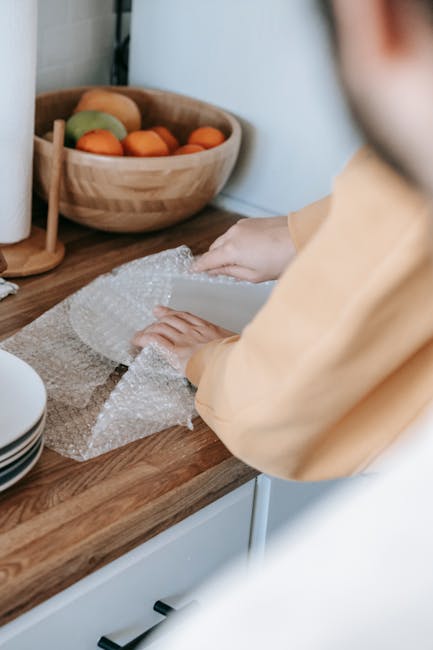
Packing Fragile Antiques in West Wickham: Prevent Damage
Posted on 18/06/2026
Antiques are a different kind of stress. A modern mug can rattle around in a box and survive. A chipped Georgian vase, a gilt mirror, or a delicate side table? Not so forgiving. If you are Packing Fragile Antiques in West Wickham: Prevent Damage is the real goal, the job starts long before the van arrives. It starts with how you assess, wrap, support, label, and carry each piece.
This guide is built for anyone moving treasured furniture, ceramics, clocks, glass, framed art, or inherited pieces around West Wickham and the wider BR4 area. You will find practical packing steps, common mistakes, a comparison of packing methods, and a realistic sense of when professional help is worth it. Truth be told, the calmest antique move is usually the one planned early.
Why Packing Fragile Antiques in West Wickham: Prevent Damage Matters
Fragile antiques are vulnerable in ways that ordinary household items are not. Age, previous repairs, brittle finishes, loose joints, and delicate ornamentation all make them more likely to fail under vibration, pressure, or sudden movement. A tiny knock on a stairwell, a box packed too tightly, or a sheet of bubble wrap rubbing against a hand-painted surface can be enough to create damage that is expensive, or impossible, to put right.
In West Wickham, where moves often involve narrow hallways, stair turns, shared access, or tighter parking arrangements, the risk is not just in the box itself. It is in the whole journey: from room to hallway, hallway to van, van to storage, and then into a new property that may still have dust, building work, or limited space for unpacking. If you have ever tried to twist a long mirror through a door frame at an awkward angle, you will know how quickly confidence can disappear.
Antiques also carry emotional value. A chipped cabinet is not just a maintenance issue. It can be a family disappointment. That matters. People often underestimate the time needed to protect items properly, especially when the rest of the move feels urgent. For a calmer wider moving experience, some readers also find it useful to look at the essential guide to achieving a calm house move alongside the packing steps here.
So, why make such a fuss? Because proper packing is the cheapest damage prevention you can control. Once a piece is in transit, the safest option is the one you prepared at home.
How Packing Fragile Antiques in West Wickham: Prevent Damage Works
The method is simple in principle: remove movement, spread pressure, and shield vulnerable surfaces. In practice, that means choosing the right materials, wrapping in the right order, filling voids, supporting weak points, and keeping heavy items away from delicate ones. The process is less about wrapping everything in layers and more about building a stable, cushioned environment around each object.
A good packing system usually follows the same logic every time:
- Assess the item. Note loose parts, cracks, chips, old glue lines, missing knobs, or unstable feet.
- Clean it gently. Dust and grit can scratch during wrapping. Use a soft cloth rather than anything abrasive.
- Prepare a safe surface. A clean table or floor area with enough room helps you avoid rushing.
- Wrap by material and shape. Hard surfaces, glass, gilding, pottery, wood, and fabrics all need different care.
- Stabilise the box. Fill gaps with cushioning so the item cannot slide, tilt, or sink.
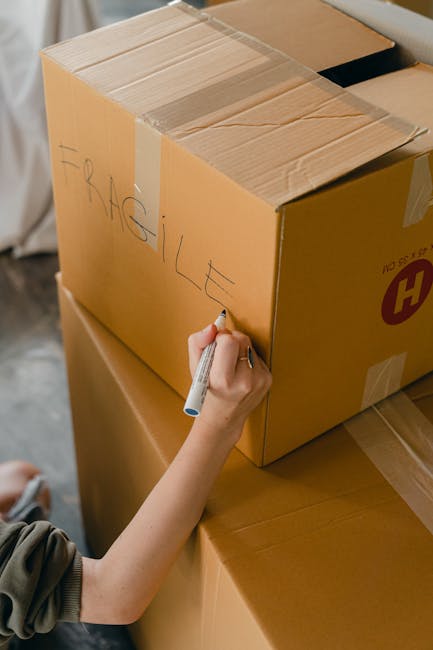
- Label clearly. Mark boxes as fragile and note which side should stay upright.
The main idea is not complicated. What makes it effective is consistency. Every layer should have a purpose. For example, acid-free paper can keep delicate finishes away from direct contact, while soft wrapping materials help reduce abrasion. Cardboard dividers can stop objects knocking into each other. Strong outer boxes keep pressure away from edges. It sounds a bit fussy, and yes, it is. But antiques reward fussiness.
If you are also arranging the rest of the move, useful packing advice from expert packing tips for a smoother move can help you keep the whole process organised rather than chaotic.
Key Benefits and Practical Advantages
Good antique packing does more than stop breakage. It makes the whole removal feel more controlled. That matters whether you are moving a single cabinet or an entire collection.
- Less risk of chips, scratches, and cracks. The obvious one, but still the biggest benefit.
- Better handling in tight spaces. Boxes with structure are easier to carry through stairs and doorways.
- Clearer organisation. You know which items are fragile, where they belong, and what must be unpacked first.
- Lower chance of accidental stacking damage. Properly marked and packed boxes are less likely to be treated like ordinary load.
- Reduced stress on moving day. A well-prepared item feels one step less fragile, even if you are still cautious with it.
There is also a financial angle, even if nobody likes talking about it. Replacing a packing mistake can be expensive, but repairing antique damage often costs more than the packing materials ever would. In some cases, a poor wrap job can ruin surface finish, which is one of those damages that looks minor until you know what the item is worth. Not ideal.
For larger furniture antiques, many people use protective wrapping and a careful route plan together with services such as furniture removals in West Wickham so the item is handled as part of the full move, not as an afterthought.
Who This Is For and When It Makes Sense
This approach is for anyone who owns delicate or sentimental antiques and wants them to arrive intact. That includes:
- Homeowners moving within West Wickham or nearby parts of BR4
- Landlords or executors clearing a property with inherited items
- Collectible owners with fragile ceramics, clocks, or framed pieces
- People placing antiques into storage for a few weeks or longer
- Older residents moving into a smaller home and keeping only key heirlooms
It makes especially good sense if the item has any of the following:
- Loose joints or veneer lifting
- Glass, mirrors, or glazed surfaces
- Thin legs, carved edges, or ornamental detail
- Previous repairs that may be weaker than they look
- Sentimental value that cannot be replaced by money
Sometimes the decision is simple: if a piece makes you nervous just looking at it, give it the premium packing treatment. A little overcare is usually better than regret. If you are planning a more complex move in a flat, flat removals in West Wickham can be relevant because stair access and compact layouts often make fragile items harder to manoeuvre.
Step-by-Step Guidance
Here is the practical part. Keep the pace steady and do not pack in a hurry, especially if the item is old, repaired, or awkwardly shaped.
1) Prepare the item first
Dust it gently. Remove detachable parts where possible: shelves, keys, loose glass, finials, or small ornaments. Put tiny parts into a labelled bag and keep them with the same item. This avoids the classic, slightly annoying moment of finding a missing screw in the wrong box two days later.
2) Choose the right materials
Use materials that cushion without grinding against the surface. The aim is protection, not compression. A hard rule in antique packing is that the item should not be able to move inside its wrapping or box. If it can slide, it can knock.
3) Wrap the surface carefully
Start with a soft first layer. For fragile finishes, especially polished wood or painted surfaces, keep the first contact gentle. Avoid putting sticky tape directly on the item. If there is glass, protect corners and edges before adding outer layers. Corners are where many accidents start, rather inconveniently.
4) Build outwards in layers
After the initial wrap, add cushioning material to create a stable shape. The shape of the wrapped object should be as regular as possible so it sits well in the box. If one part is fragile or protruding, pad that area more generously.
5) Use a suitably sized box or crate
For small antiques, a double-walled box may be enough if packed correctly. For very delicate or high-value pieces, a stronger crate or custom packing may be more appropriate. The item should fit snugly, but not tightly. That balance matters. Too loose and it rattles. Too tight and pressure builds where you do not want it.
6) Fill voids and test stability
Before sealing, gently shake the box. You should hear very little movement. If you do, open it and adjust the fill. This small test catches a lot of problems early. In our experience, that one extra minute often saves a lot of fuss later on.
7) Label and orient
Mark the box clearly on several sides. Use simple labels like fragile, this side up, and the room name if needed. If there are multiple boxes belonging to one cabinet or display set, number them. That makes unpacking calmer and much less guessy.
8) Load with thought, not haste
Pack fragile antiques in the van so they are not crushed under heavier objects. Keep them upright where required, away from heavy furniture edges, and secure them so they cannot shift during braking. If the move involves tricky stairs or steep internal access, planning the route is as important as the packing itself. For local route and access awareness, West Wickham access and parking tips can help you think ahead.
| Packing Method | Best For | Strengths | Limitations |
|---|---|---|---|
| Soft wrap and box | Small ornaments, books, framed pieces | Cost-effective, quick, flexible | Less protection for very high-value or unusually shaped items |
| Double-boxing | Delicate ceramics, glass, small antiques | Extra shock absorption, better corner protection | Takes more materials and careful packing space |
| Crating | Large, valuable, or highly fragile antiques | Strong structure, excellent stability | More preparation and usually higher cost |
| Professional packing | Mixed collections, awkward items, time-sensitive moves | Expert handling, faster decision-making, lower stress | Requires booking and can cost more than DIY packing |
Expert Tips for Better Results
A few small habits make a surprisingly large difference. These are the details people often miss when they are trying to get everything done before lunch, or before the rain starts, which is very British, really.
- Never pack an antique straight from a dusty shelf. Grit acts like sandpaper during transit.
- Protect protruding parts first. Handles, legs, carved corners, and finials are common failure points.
- Use separate wrapping for mixed materials. Wood, glass, metal, and fabric should not rub together without padding.
- Keep old labels or provenance notes safe. These can matter for insurance, valuation, or family records.
- Take quick photos before packing. It helps with reassembly and condition checks later.
- Do not overfill the box. Heavy packing can create pressure where the item should breathe a little.
If you are moving a large antique wardrobe or sideboard, the packing should be paired with sensible lifting practice. A useful related read is solo heavy lifting tips and techniques, although for antiques it is usually better not to lift solo at all. Let's be honest, your back and your nerves will both thank you.
Another small but worthwhile point: if the item has drawers, pad them so they cannot slide open in transit. That tiny movement can stress the frame more than people expect.
Common Mistakes to Avoid
The most common damage is rarely dramatic. It is usually boring, preventable, and caused by rushing. A scratched finish here, a chipped base there, and suddenly the move feels much bigger than it should have been.
- Using newspaper on delicate finishes. Ink transfer and surface marks are a real risk.
- Wrapping too tightly. Pressure can distort fragile frames or delicate joints.
- Leaving empty space in boxes. Movement inside the box is one of the biggest causes of damage.
- Stacking heavy items on top. Even a small weight can crush a weak edge or crack a glaze.
- Ignoring old repairs. A previous fix can fail under vibration if it is not supported properly.
- Forgetting to label orientation. The item may be set down the wrong way round. Happens all the time.
One more thing: do not assume that because something "looks solid," it is safe. Antique construction can be strong in some places and surprisingly fragile in others. A thick frame may hide a brittle glass panel, and a polished cabinet may have delicate joints under the surface.
Tools, Resources and Recommendations
You do not need a warehouse of supplies, but the right tools make the whole job smoother. If you are gathering materials in advance, think in layers: clean, wrap, cushion, stabilise, label.
- Soft acid-free tissue or plain wrapping paper for first contact
- Bubble wrap or foam for cushioning outer layers
- Double-walled boxes for added strength
- Cardboard corners and dividers for framed or paneled pieces
- Strong tape for boxes, never directly on the antique
- Blankets, pads, and corner protectors for furniture-scale pieces
- Labels, marker pens, and small bags for fittings and screws
If you need packing supplies for a move around the area, packing and boxes in West Wickham is a sensible place to look when you want the right materials rather than a random pile of supermarket boxes.
For antiques that will not go straight into the new home, storage planning matters too. The conditions in storage should be dry, secure, and organised so delicate items are not squashed behind seasonal furniture. If that applies, storage in West Wickham may be part of the longer plan.
And if you are weighing up whether the job needs support from experienced movers, the overview at services overview can help you understand how antique packing fits into a wider removal plan.
Law, Compliance, Standards, or Best Practice
For antique packing, there is not usually a special legal rule that says exactly how to wrap a century-old cabinet. Still, there are sensible UK best-practice points to keep in mind.
First, insurers and removal providers generally expect reasonable care to be taken with valuable items. That means proper packaging, clear labelling, and honest condition reporting. If an item is already cracked or unstable, note that before it moves. It is better to be plain about pre-existing wear than to discover a problem after transit.
Second, health and safety matters. Antiques can be awkwardly balanced or heavier than they look. If a piece is too large or too delicate to carry safely, do not improvise with a quick grab and a muttered "it'll be fine." Use enough people, the right equipment, and a clear path. For company standards and safety expectations, you can also review health and safety guidance and insurance and safety information if you are using a professional service.
Third, if the antique is part of a larger move, schedule and access should be realistic. West Wickham roads and local access can affect loading times, especially near busier routes or station-adjacent areas. Local timing advice such as West Wickham station removal timing and routes can be useful if the move depends on getting in and out cleanly.
Best practice is not about formality for its own sake. It is about reducing avoidable risk, documenting care, and making sure the item is protected from the moment it leaves the room.
Options and Comparison Table
There is no single right method for every antique. The right choice depends on fragility, value, size, and how far the item is travelling. Here is a straightforward comparison to help you decide.
| Option | When to choose it | Pros | Watch-outs |
|---|---|---|---|
| DIY packing | Lower-value or moderately fragile items, short local moves | Flexible, budget-friendly, hands-on control | Requires time, good materials, and patience |
| Partial professional help | One or two awkward pieces among otherwise standard items | Targets the riskiest items while keeping costs balanced | Needs clear communication about what is fragile |
| Full professional packing | Valuable collections, time pressure, multiple delicate pieces | Efficient, methodical, and generally less stressful | Higher cost than DIY, so plan it into the move early |
| Crating or specialist handling | Very fragile, oversized, or high-value antiques | Strongest protection and best stability | Can be more involved and may take extra time to arrange |
If you are moving a whole house and antiques are only one part of the job, it can be worth aligning the packing plan with house removals in West Wickham so the timing, packing sequence, and loading order all fit together.
Case Study or Real-World Example
A typical local scenario goes like this. A family in West Wickham needs to move a small dining set, two wall mirrors, and a glazed display cabinet that has been in the family for years. Nothing is museum-grade, but every item has some age and sentimental weight. The movers have one morning slot and a narrow hallway to work with. Not exactly ideal.
Instead of boxing everything at the last minute, the family starts the day before. They remove loose shelves from the cabinet, wrap each shelf separately, protect mirror corners, and label hardware in small bags. The dining chairs are wrapped with soft blankets first, then secured with outer padding so the legs do not rub. The cabinet is loaded upright and kept away from heavier furniture. The result? No rattling, no panic, no scratched glass, no broken brackets. Just a slightly tired but relieved household.
What made the difference was not some exotic packing trick. It was planning. The family also had a better feel for the rest of the move because they had already read practical advice on staying calm during the process. That little head start matters more than people think.
Expert summary: With antiques, damage prevention comes from control at every stage - assessment, wrapping, cushioning, loading, and careful placement. Skip one of those steps and the whole system weakens. Keep them all, and the item stands a much better chance of arriving exactly as it left.
Practical Checklist
Use this checklist before the van door closes.
- Inspect the antique for cracks, weak joints, loose parts, and existing wear
- Dust and clean it gently with suitable materials
- Remove detachable fittings, shelves, keys, or ornaments
- Wrap the item in a soft first layer before adding cushioning
- Protect corners, edges, handles, and protruding details
- Choose a box, crate, or protective wrap that suits the item's size
- Fill all voids so the item cannot shift inside the container
- Mark fragile boxes clearly and note orientation where needed
- Keep related parts and hardware with the same item
- Load antiques last where possible so they are not buried under heavier items
- Secure them in the van against sliding or tipping
- Unpack and inspect them first at the destination or storage unit
That is the short version, anyway. If you tick those off, you are already ahead of many rushed moves.
Get a free quote today and see how much you can save.
Conclusion
Packing fragile antiques is not about wrapping things up and hoping for the best. It is about understanding what makes each piece vulnerable, then building a careful, stable system around it. In West Wickham, where access can be tight and moves can feel a bit stop-start, that care pays off even more.
If you remember only one thing, make it this: antiques need space, support, and patience. Not speed. Not guesswork. A calm, methodical approach is the real difference between a successful move and one that leaves you staring at a hairline crack on the kitchen table. And nobody wants that.
Take your time, use the right materials, and plan the handling as carefully as the packing. It is worth it, every time.